
Day: October 5, 2026

  • Can a Respondent Join an Uncontested California Divorce Without Filing a Traditional Response?

    Can a Respondent Join an Uncontested California Divorce Without Filing a Traditional Response?

    When spouses reach a complete divorce or legal-separation agreement, the respondent may be able to make a stipulated appearance and allow the case to proceed as uncontested. This differs from ignoring the case or allowing an ordinary default without participation.

    A Stipulated Appearance Brings the Respondent Into the Case

    By signing and filing the required appearance and waiver documents, the respondent formally participates in the proceeding. The respondent agrees that the matter may be handled as uncontested based on the parties’ settlement.

    A responsive filing fee generally applies unless it has been waived. The appearance should not be signed until the respondent understands the proposed agreement and the rights being affected.

    The Agreement Still Requires Court Approval

    The spouses cannot enter their own divorce judgment without judicial review. The court must receive the required judgment documents and determine whether the proposed terms may be approved.

    Financial-disclosure requirements also remain important. An uncontested case does not authorize the parties to conceal assets, omit debts, or bypass mandatory information exchanges.

    A Stipulated Case Differs From a Default

    In a traditional default, the respondent does not appear. A stipulated appearance allows the respondent to participate while avoiding a contested trial.

    Some couples instead use an agreed default procedure. The procedural choice can affect filing fees, notice, available relief, and the court’s authority if the submitted judgment differs from the written settlement.

    The Written Settlement Controls the Submission

    The judgment package should accurately reflect the signed agreement. If the court proposes materially different terms, the parties may need to revise the documents or appear for clarification.

    A stipulated appearance does not permit either spouse to ignore existing temporary orders. Those orders remain binding until the judgment or another authorized order changes them.

    A California divorce attorney can determine whether a stipulated appearance is appropriate, review the settlement for completeness, and prepare an uncontested judgment that matches the parties’ enforceable agreement.

  • Can Threats Against Family or Friends Support a California DVRO?

    Can Threats Against Family or Friends Support a California DVRO?

    A DVRO request may be supported by threats or harm directed at someone other than the petitioner. Conduct involving children, relatives, friends, or other third parties can constitute abuse when it creates fear or destroys the petitioner’s emotional calm.

    The Threat Need Not Target Only the Petitioner

    Threatening serious harm to a child, parent, new partner, friend, or other person may place the petitioner in reasonable fear and may qualify as abuse.

    The court considers whether the threat was used to intimidate, punish, control, or destabilize the petitioner within the domestic relationship.

    Witnessing Abuse Can Disturb a Person’s Peace

    A person may experience abuse by witnessing violence against a child, family member, or animal. The emotional and psychological effect can be relevant even when the petitioner was not physically touched.

    Children who witness abuse of a parent may also experience a disturbance of their own peace. Whether they should be included as protected parties depends on the evidence and requested relief.

    Context Determines the Significance

    The court may consider the parties’ history, prior threats, access to the third party, weapons, communications, and conduct before and after the incident.

    A vague remark viewed alone may have a different meaning when combined with earlier violence, stalking, property destruction, or coercive control.

    Evidence From the Third Party May Help

    The threatened or harmed person may testify or provide relevant communications and records. Police reports, photographs, medical information, and messages may also support the allegations when properly presented.

    The court decides whether the evidence satisfies the legal standard and what protective terms are appropriate. Any resulting order is binding on the restrained person according to its terms.

    A California domestic violence attorney can explain how third-party conduct relates to the petitioner’s safety, coordinate witness evidence, and request protection for additional people when supported by the circumstances.

  • Can a Police Report Be Used as Evidence in a California DVRO Hearing?

    Can a Police Report Be Used as Evidence in a California DVRO Hearing?

    Police reports often contain important information about alleged domestic violence, including officer observations, photographs, witness statements, and descriptions of injuries. The report is not automatically accepted as proof of every statement it contains.

    A Protected Person May Obtain Key Records

    A person reporting qualifying domestic violence may be entitled to receive copies of the police report, 911 recordings, injury photographs, and other related evidence without charge.

    Obtaining the records early can help identify officers, witnesses, dates, and evidence that may be needed at the DVRO hearing.

    The Report Must Be Properly Authenticated

    An officer who prepared or received the report may be able to authenticate it. Records obtained through the agency’s official custodian may also satisfy applicable requirements.

    Because DVRO hearings often occur quickly, relying on a records request alone may not ensure that the documents arrive before the hearing. A continuance is not guaranteed merely because records remain outstanding.

    Witness Statements Create Additional Issues

    A police report may contain several layers of statements. The officer’s own observations are different from statements made by a neighbor, child, or one of the parties.

    A statement within the report may require its own legal basis for admission. A party’s statement offered by the opposing party may be treated differently from a third-party statement offered to prove what happened.

    Officer Testimony May Strengthen the Evidence

    Calling the responding officer may allow questions about injuries, demeanor, damaged property, statements, and the scene. It also allows the opposing party to cross-examine the officer.

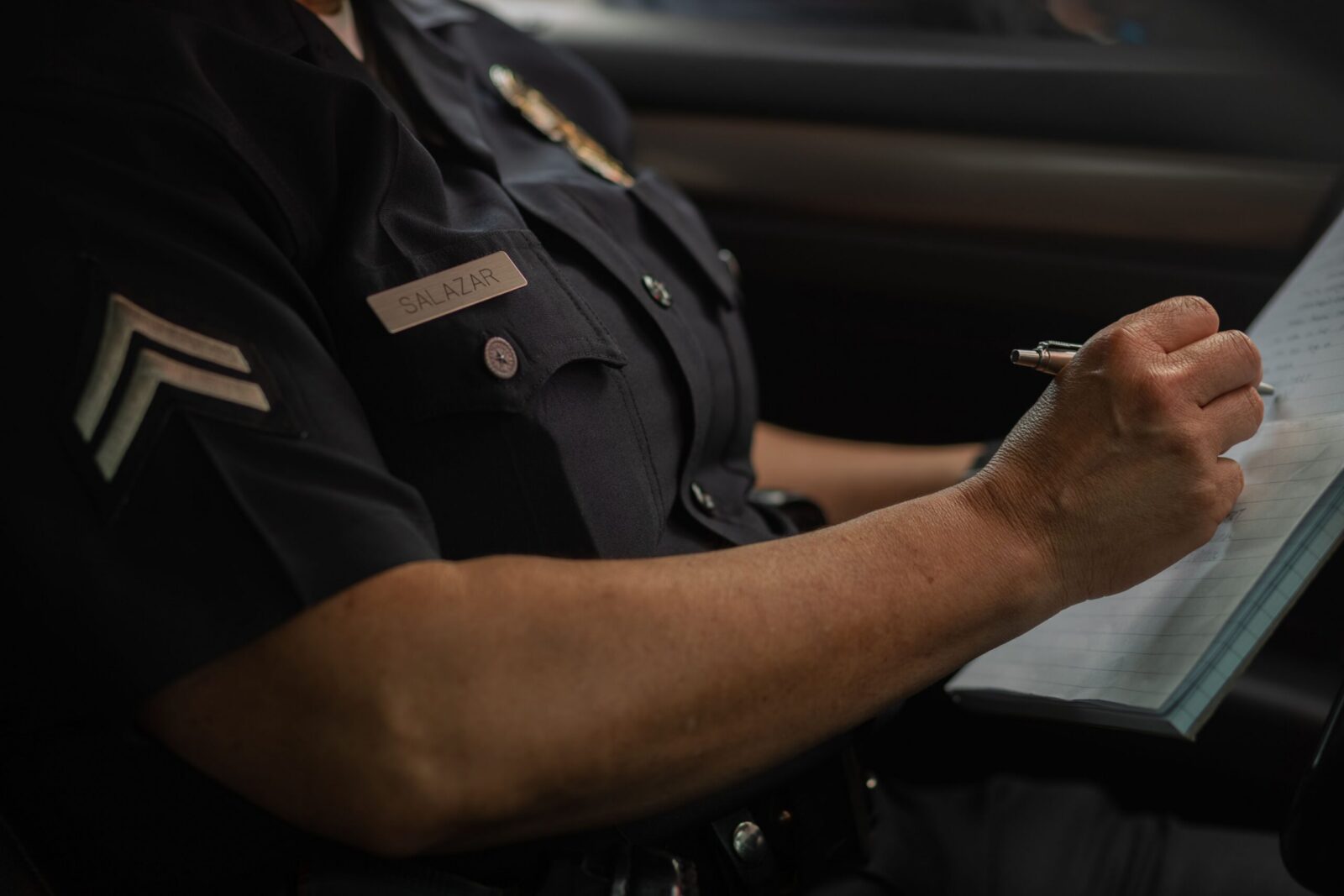
    A police report is helpful but not required to obtain a DVRO. The court may issue protection based on other credible evidence, including the petitioner’s testimony.

    A California domestic violence attorney can obtain the available records, determine which portions may be admitted, subpoena appropriate witnesses, and present the report without assuming that every statement will be accepted for its truth.

  • Can Social Media Posts Be Used in a California DVRO Case?

    Can Social Media Posts Be Used in a California DVRO Case?

    Social media posts, direct messages, comments, photographs, and videos may provide evidence of threats, harassment, stalking, property damage, or other conduct relevant to a DVRO. The party offering the content must show that it is authentic and preserve enough context for the court to evaluate it.

    The Evidence Should Be Preserved Promptly

    Online content can be edited or deleted. Screenshots should show the account name, date, time, surrounding conversation, and other details that help identify the source.

    When possible, the entire relevant thread should be preserved rather than only the most dramatic statement. An isolated image may be challenged as incomplete or misleading.

    Authentication Connects the Post to the Person

    The person offering the evidence should be prepared to explain how they recognize the account, writing style, photograph, phone number, or other identifying feature.

    Additional evidence may include prior communications from the same account, admissions by the other party, distinctive information known only to that person, or testimony from someone familiar with the account.

    Access Must Be Obtained Lawfully

    Publicly available posts may be reviewed and preserved. A party or attorney should not impersonate another person, create a deceptive account, or direct someone else to gain access through dishonest means.

    Existing no-contact orders must also be followed. Viewing or preserving online evidence does not authorize prohibited communication with the restrained or protected person.

    Relevance and Context Still Control

    A social media post connected to the alleged abuse may be admitted when properly authenticated and otherwise legally permissible. The court may exclude cumulative, misleading, irrelevant, or unfairly prejudicial material.

    A statement made by the opposing party may avoid some hearsay concerns, but that does not resolve authenticity or context. The exhibit must also be properly offered and admitted during the hearing.

    A California DVRO attorney can preserve social media evidence, establish its connection to the opposing party, respond to authenticity objections, and present the material in a focused manner that helps the court understand the alleged conduct.

  • Can Temporary Spousal Support Continue While a California Divorce Is on Appeal?

    Can Temporary Spousal Support Continue While a California Divorce Is on Appeal?

    A divorce case may remain legally pending while an appeal is underway. In appropriate circumstances, a spouse may request temporary support during the appeal even when the trial court has already entered a judgment containing other support provisions.

    An Appeal Can Extend the Pending Proceeding

    A marital action generally remains pending until it has been finally decided on appeal or the time to appeal has expired. This continued status can preserve the court’s authority to address temporary financial needs.

    The existence of a judgment therefore does not always eliminate the possibility of interim support while appellate review continues.

    The Judgment and Temporary Relief Are Different

    An appeal may affect implementation of a spousal-support provision contained in the judgment. A request for temporary support during the appeal addresses the spouse’s needs while the appellate process is unresolved.

    The court considers the procedural status of the judgment, any stay, and the financial circumstances of the parties. Temporary appellate support is not automatic merely because an appeal was filed.

    Current Financial Evidence Is Important

    The requesting spouse should provide updated information showing income, expenses, available assets, and the practical effect of the appeal. The other spouse may present evidence concerning ability to pay and amounts already being provided.

    The court may consider whether the requested amount is necessary to maintain reasonable stability during the appeal without imposing an unsupported financial burden.

    Existing Orders Must Still Be Followed

    Filing an appeal does not give either spouse permission to disregard a support order. The controlling order remains enforceable unless it has been stayed, modified, terminated, or replaced through an authorized procedure.

    The parties should also distinguish ongoing support from unpaid installments that accrued before the appeal. Past-due amounts may present separate enforcement and interest issues.

    A California appellate family-law attorney can determine which court may consider temporary support, evaluate the effect of any stay, and present current financial evidence while preserving the client’s appellate position.